
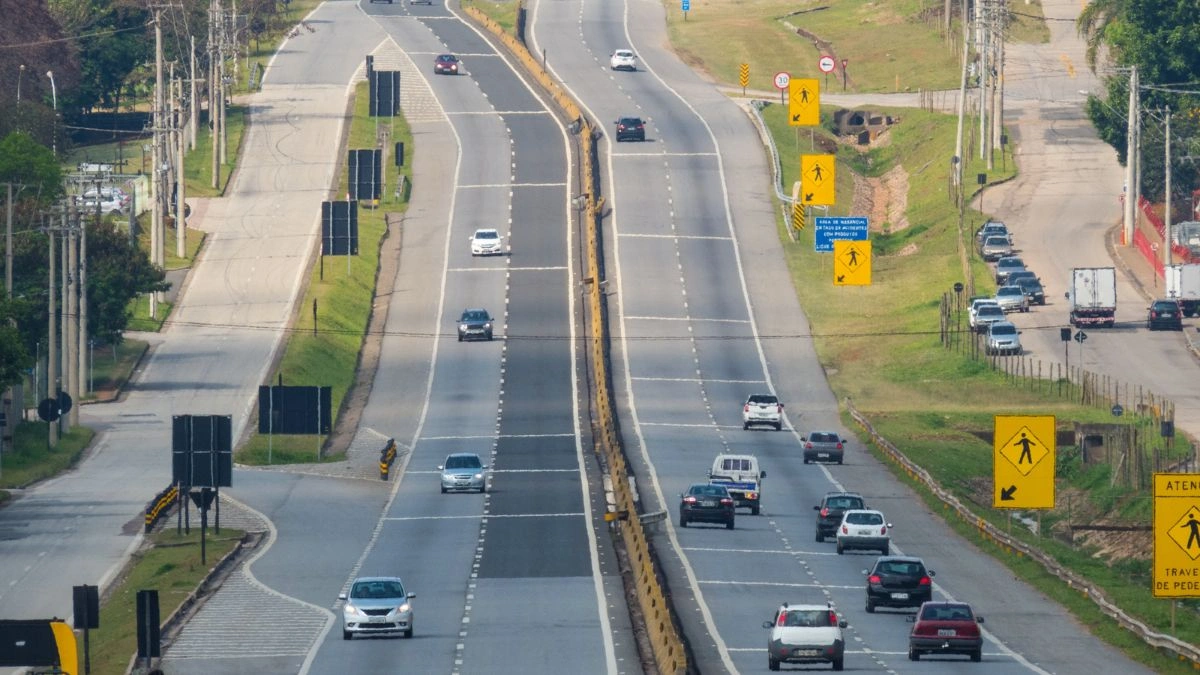
In the sprawling urban landscape of Los Angeles, USA, transportation is more than getting from Point A to Point B — it is integral to employment, education, healthcare, and quality of life. Yet, despite its vast transportation infrastructure, many neighborhoods experience gaps in access, resulting in transportation deserts.
These are areas where residents lack adequate public transit options, forcing reliance on private vehicles or leaving people isolated. This article explores in-depth why transportation deserts exist in major cities like Los Angeles, what drives them, and how they affect communities every day — with facts, figures, and contextual analysis specific to LA.
What Is a Transportation Desert?
A transportation desert refers to areas where the supply of public transportation services does not meet the transit needs (demand) of residents. In essence, public transit options are either insufficient, unreliable, distant, or inaccessible — leaving residents without reasonable mobility choices beyond private cars.
This concept was developed by applying the idea of food deserts to transit equity — the mismatch between transit supply and demand.
Key Characteristics
- Lack of frequent bus or rail routes
- Long walking distances to stops
- Inaccessible services for disabled or elderly
- High car-dependency due to inadequate transit
- Greater prevalence in low-income and minority neighborhoods
Why Transportation Deserts Exist: Core Causes
1. Historical Infrastructure and Urban Planning Choices
Los Angeles developed around the automobile, not mass transit. Historically:
- Freeways were constructed through lower-income and minority neighborhoods, displacing communities and creating physical barriers to transit access.
- Public transit investments lagged car-centric infrastructure, prioritizing highways and road expansion over equitable transit coverage.
2. Socioeconomic Inequities and Transit Supply Mismatch
Transit deserts often occur where transit service fails to match demand, particularly in areas with high numbers of low-income, transit-dependent residents. Public transit tends to be concentrated near central employment hubs rather than residential neighborhoods where disadvantaged people live.
3. Geographic Spread and Urban Sprawl
Los Angeles is one of the most sprawling cities in the U.S., with wide distances between homes, jobs, and services:
- The distance makes it costly and complex for fixed-route services like buses and rail to provide frequent service across all neighborhoods.
- Transit agencies often focus on dense corridors, leaving low-density areas underserved.
4. Transportation Investment Decisions
Transportation budgeting, prioritization frameworks, and political decisions often favor:
- Projects with higher rider volumes (e.g., downtown rail extensions).
- Longer-term capital expansions over improving local bus services.
This means some communities receive less frequent or deficient services.
5. Car Dependence Culture
Los Angeles has car-centric commuting patterns:
- Around 81% of commuters drive alone.
- Public transit use remains low compared to cities like New York or San Francisco.
This cultural bias reinforces funding and planning choices that continue to support cars over equitable transit, perpetuating transportation deserts.
6. Transit Accessibility and Equity Challenges
Even where transit exists, not all residents can access it due to:
- Long wait times
- Infrequent service during non-peak hours
- Lack of amenities like safe sidewalks or bike paths leading to stops
These limitations translate into functional transportation deserts — areas that technically have transit but that transit fails to serve people’s real mobility needs.
Transportation Deserts in Los Angeles: What the Data Shows
Los Angeles does not have transit deserts in a classical rural sense, but spatial inequities in transit access do exist. Many neighborhoods — often lower-income or historically marginalized — face real gaps between transit needs and services.
Transit Access in Numbers
| Indicator | Los Angeles Metro Region |
|---|---|
| Percentage of commuters driving alone | ~81% |
| Percentage commuting by public transit | ~2.7% |
| Areas with inadequate transit accessibility | Majority in outer residential zones |
| Transit-dependent populations underserved | Low-income and minority communities |
Impacts of Transportation Deserts in Major Cities
Transportation deserts ripple through daily lives and local economies — especially in a city as large as Los Angeles.
Economic Impact
Residents with limited transit struggle to:
- Reach employment opportunities beyond their neighborhoods
- Take multiple jobs, especially those outside traditional 9–5 shifts
- Access affordable childcare, education, or vocational training
This creates economic stagnation at both individual and community levels.
Health and Social Impacts
Transportation deserts contribute to:
- Delayed healthcare access
- Increased stress from long commutes
- Reduced social participation and isolation
- Higher reliance on cars, leading to congestion and pollution
Mobility and Quality of Life
Without reliable transit, residents may:
- Face longer travel times
- Spend more on transportation
- Sacrifice job flexibility and opportunity
These impacts disproportionately affect low-income residents, older adults, people with disabilities, and communities of color.
Government Initiatives and Policy Context
Federal and Local Action on Transit Equity
The Federal Transit Administration (FTA) offers programs to support transit access and equity planning across U.S. cities, including Los Angeles.
Official information on federal transportation programs:
At the local level, Los Angeles Metro is mandated to consider equity in service planning, particularly for low-income communities and historically underserved areas.
Title VI and Equity Compliance
Los Angeles transit agencies must comply with federal Title VI civil rights requirements, ensuring no discrimination in public service allocation. Legal frameworks guide equity considerations in planning.
Strategies to Address Transportation Deserts
1. Transit Expansion and Improvement
- Increase service frequency in underserved neighborhoods
- Improve first- and last-mile connections
2. Equity-Based Funding Models
Prioritize funds for areas with greatest need rather than highest ridership to address disparities.
3. Enhanced Community Planning
Engage communities directly in transit planning decisions to ensure services reflect real needs and daily routines.
4. Multimodal Integration
Encourage mixed-use development, active mobility (walking, cycling), and connection to transit hubs.
5. Innovation in Service Delivery
Mobility-on-demand options and microtransit can supplement fixed-route services to serve areas with lower density more effectively.
Transportation deserts exist because of a combination of historical planning choices, socioeconomic inequities, car-centric urban design, and uneven investment in public transit — especially in sprawling megacities like Los Angeles. Addressing these gaps is not just a transportation challenge but an equity imperative that requires deliberate policy, community-focused planning, and innovative service solutions.
Ensuring every resident has fair access to affordable and reliable transportation options will unlock broader economic opportunities, healthier communities, and more inclusive cities. Real progress will only come when transit equity is at the heart of planning and investment decisions — not an afterthought.