
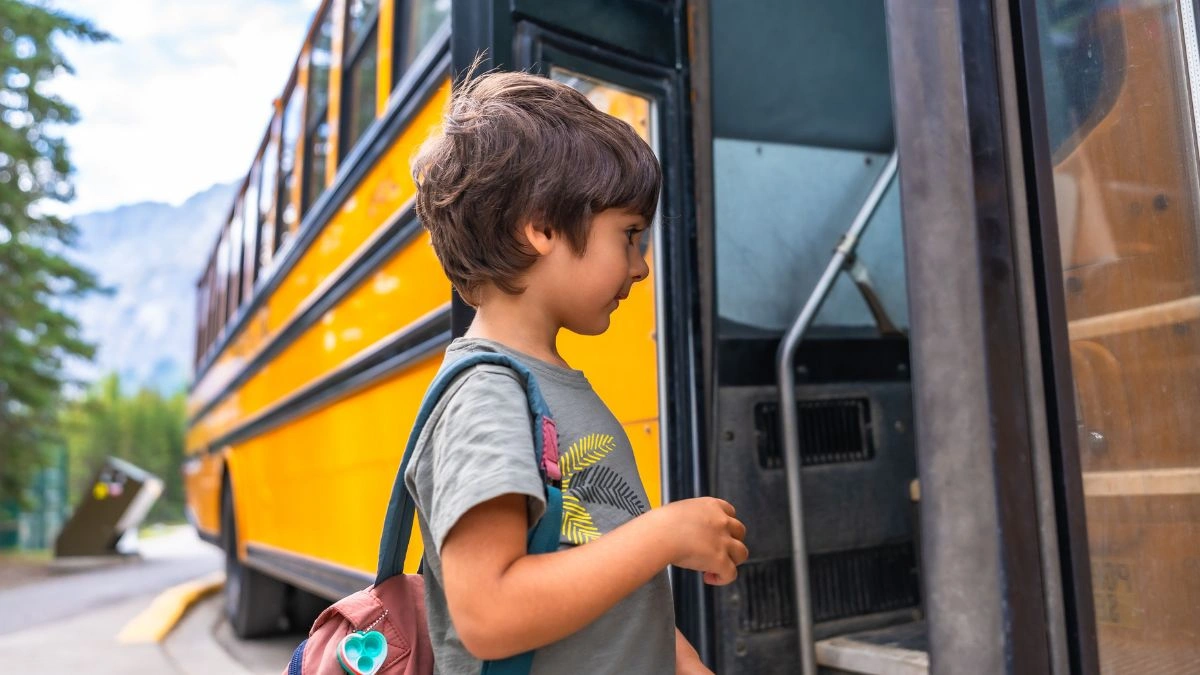
In 2026, transportation access is increasingly recognized as a “hidden” driver of educational outcomes. The reason is simple: students can only benefit from instruction, tutoring, meals, counseling, extracurriculars, labs, and career pathways if they can reliably reach campus—on time, consistently, and safely.
When transportation fails (or is expensive, unreliable, unsafe, or slow), the effects show up quickly as chronic absenteeism, tardiness, missed services, lower course completion, and reduced participation in enrichment activities.
Over time, those day-to-day disruptions can compound into weaker grades, lower test performance, and higher dropout risk—especially for students from low-income households, rural communities, and families without a dependable vehicle.
Recent national estimates suggest chronic absenteeism remains elevated compared with pre-pandemic norms, with one set of estimates placing it at roughly 19% (about 9.4 million students) in 2023–2024 and around 22% (about 10.8 million) in 2024–2025—a backdrop that makes transportation reliability even more consequential going into 2026.
The Core Mechanisms: How Transportation Shapes Learning
Attendance And Time-On-Task
Attendance is the most direct channel. If a student can’t get to school—because buses are delayed, routes are cut, the walk is unsafe, or transit fares are unaffordable—learning time disappears.
Transportation barriers often create:
- More absences (missing full days)
- More tardies (missing crucial opening instruction)
- Early departures (missing labs, last-period support, or after-school tutoring)
These gaps are not evenly distributed. Students who rely on school buses, public transit, or shared rides are more exposed to service disruptions than students who have a flexible private vehicle option.
Stress, Fatigue, And Cognitive Load
Commute conditions matter, not only commute length. Long rides, transfers, crowded vehicles, and uncertain pickup times add daily stress. Students arrive tired, anxious, or distracted—reducing readiness to learn.
For younger students, unreliable transport can also increase family stress and reduce caregivers’ ability to maintain consistent routines.
Access To The “Extras” That Drive Outcomes
Transportation determines whether students can participate in:
- After-school tutoring and credit recovery
- Advanced coursework or magnet programs outside the neighborhood
- Dual enrollment and career/technical training
- Clubs, sports, and mentoring programs
- Office hours and academic advising (especially in college)
When transportation is limited, students may choose a closer option rather than a better-fit school/program—reducing exposure to opportunities that improve long-term outcomes.
What The Latest Evidence Says Heading Into 2026
K–12: Bus Reliability, Driver Shortages, And Attendance
Districts continue to report that transportation operations can directly affect academics and attendance, with ongoing issues around driver availability and route coverage.
One 2025 survey-based report found that among administrators who said bus driver shortages were a problem, 46% described it as a major problem—an operational reality that can translate into missed instructional time when routes are late or consolidated.
Labor market data also supports the persistence of shortages. As of September 2024, there were 12.2% fewer school bus drivers than in September 2019, highlighting why some districts entered 2026 still rebuilding route stability and staffing capacity.
Higher Education: Commute Time And Enrollment Decisions
Transportation affects not only persistence—but whether students enroll at all. Evidence from a large urban setting found that a 17% reduction in commuting time to college was associated with a 6% increase in enrollment, suggesting that marginal improvements in travel time can meaningfully change postsecondary participation.
Community College: Transportation Costs And Persistence
Community college students often face unique transportation burdens because they’re more likely to live off-campus, work while enrolled, and balance caregiving responsibilities.
A randomized trial in New York City tested transportation support by providing free monthly transit cards and tracking student progress over time—an approach designed specifically to measure whether reducing transport costs can improve persistence and academic momentum.
Public Spending Shows Transportation Is A Major Education Input
Transportation is not a minor line item. For example, public school student transportation spending has been estimated at $1,152 per student transported (2018–19, unadjusted dollars)—a reminder that mobility is a core operational pillar of access.
The 2026 Policy Landscape: What’s Changing And Why It Matters
Cleaner, Newer Fleets Can Improve Reliability And Health
Fleet modernization is expanding in many places. In the U.S., the federal Clean School Bus effort is structured as a multi-year program with $5 billion over five years to help replace older diesel buses, often prioritizing high-need communities.
In 2026, this matters in two ways:
- Reliability: Newer buses can reduce breakdowns and missed runs.
- Health + attendance: Reduced diesel exposure can support respiratory health, which can indirectly support better attendance and readiness to learn.
Safety While Commuting Is Also Part Of Access
Transportation access isn’t only about vehicles and routes—it’s also about perceived and real safety. In one recent national pulse survey, 38% of public school leaders agreed that traffic patterns around schools pose a safety threat during commutes (and 11% pointed to crime). Safety concerns can reduce attendance, especially for students who walk, bike, or use public transit.
Table: Transportation Access Pathways And What They Mean For Outcomes In 2026
| Transportation Factor | What It Changes For Students | Outcomes Most Affected | What 2026-Focused Solutions Look Like |
|---|---|---|---|
| Commute Time | Time available for sleep, homework, tutoring | Attendance, grades, course completion | Route redesign, faster connections, closer program access |
| Reliability | Predictability of arrival and departure | Tardiness, chronic absenteeism | Backup drivers, realistic route times, real-time tracking |
| Affordability | Ability to attend daily without trade-offs | Enrollment, persistence (especially college) | Student fare programs, transit cards, targeted subsidies |
| Mode Availability | Whether options exist beyond private vehicles | Equity of access | Expanded bus coverage, safer walking/biking routes |
| Safety | Willingness to commute; stress levels | Attendance, engagement | Traffic calming, crossing guards, lighting, safe stops |
| Capacity And Staffing | Whether routes run consistently | On-time arrival, missed days | Competitive pay, recruitment pipelines, contractor accountability |
| Fleet Quality | Breakdowns, comfort, health impacts | Attendance, health-related absences | Electric/clean buses, preventive maintenance funding |
Practical Ways Schools Improve Outcomes By Fixing Transportation
1) Treat Transportation As An Attendance Strategy
Attendance interventions often focus on messaging, incentives, and family engagement. In 2026, districts seeing better results increasingly pair those efforts with transportation fixes:
- Identify students whose absences cluster on specific days/routes
- Track late bus arrivals against first-period attendance
- Add targeted “micro-solutions” (late bus, hub stops, backup vans) where data shows repeated failure points
Given how high chronic absenteeism remains in many settings, transportation is one of the fastest levers for improving attendance because it removes a daily barrier rather than asking families to “try harder” in difficult conditions.
2) Align Bell Schedules With Real Travel Times
When school start times do not match realistic route coverage, the predictable result is tardiness and missed instruction. Some systems reduce this by:
- Staggering start times to share driver capacity
- Reducing “deadhead” time between route segments
- Coordinating with local transit timetables (where students ride public buses)
3) Make Access To Choice Programs Real
School choice can widen opportunity only if students can physically reach the chosen school. Research continues to indicate that school-provided transportation can modestly increase access to schools of choice—depending on design and capacity.
In practice, that means ensuring transportation is not an afterthought for magnet and specialized programs.
4) Support Postsecondary Students With Targeted Transit Benefits
For colleges—especially community colleges—transportation support can be a high-return retention tool:
- Free/discount transit passes
- Emergency ride programs for students with unpredictable work schedules
- Late-evening transit coordination for night classes
This is particularly important because transportation costs can be a larger burden for community college students, and commuting constraints can determine whether they persist semester to semester.
What To Watch In 2026: Trends That Will Shape Results
Continued Pressure On Driver Staffing
Even where shortages ease, systems remain vulnerable to spikes in absenteeism, licensing constraints, and competition from other driving jobs. Without stable staffing, districts can see recurring route disruptions that directly affect learning time.
More Student Transit Programs, More Data
Student fare programs are expanding and becoming more measurable through pass usage data and attendance analytics. Large-scale programs can be designed to improve access for disadvantaged communities while also helping transit agencies stabilize ridership—creating incentives for sustained funding.
Fleet Electrification With An Education Lens
While electrification is often framed as an environmental policy, the education-relevant benefits in 2026 include better route reliability (new buses), quieter rides, and potential reductions in pollution exposure—especially in high-traffic areas where many students commute daily.
In 2026, transportation access is one of the clearest “upstream” factors shaping educational outcomes—because it determines whether students can reliably show up, arrive ready to learn, and access the programs that build long-term success. The evidence consistently points to the same reality: reducing commute barriers (time, cost, safety, and reliability) improves real educational behaviors like attendance, enrollment, and persistence.
The most effective systems treat transportation as an academic strategy: they use route and attendance data together, fund targeted supports for the students most affected, and modernize fleets and safety infrastructure so the daily trip to school becomes predictable. When transportation works, learning has a chance to work too.