
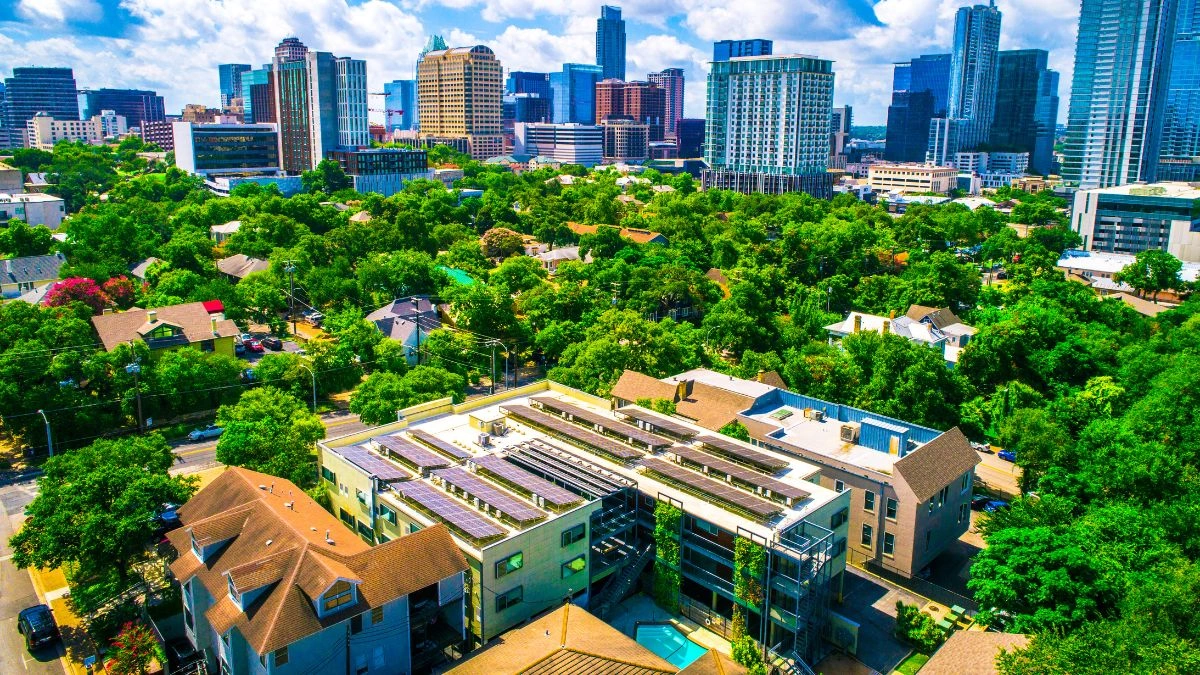
Cities are more than places where people live—they are engines of economic growth, hubs of culture, and anchors of community identity. But as urban populations expand, cities face mounting pressures: housing shortages, climate change, inequality, transportation challenges, and environmental degradation.
Sustainable community growth is a transformative approach that ensures cities can meet present needs while protecting future generations. For a global city like Los Angeles, USA, adopting strategic, data-driven, and community-focused sustainability initiatives is vital for long-term resilience.
In this article, we explore how cities—including Los Angeles—can support sustainable community growth through policy frameworks, infrastructure investments, inclusive planning, environmental strategies, and community engagement.
What Is Sustainable Community Growth?
Sustainable community growth refers to city development that balances social equity, economic opportunity, and environmental stewardship. It involves improving quality of life while preserving the natural environment and ensuring long-term resilience. This concept aligns with the United Nations Sustainable Development Goal 11—to make cities inclusive, safe, resilient, and sustainable. The Global Goals
A sustainable city promotes:
- Resource-efficient infrastructure
- Access to affordable housing
- Clean air and water
- Public participation in planning
- Economic opportunities for all residents
Key Principles of Sustainable Urban Growth
To support sustainable communities, cities must embrace strategic principles that guide policy, investment, and community building.
1. Inclusive Urban Planning
Inclusive planning ensures all community voices—especially historically marginalized groups—participate in decision-making. This enhances trust and aligns growth strategies with residents’ real needs.
2. Environmental Sustainability
This focuses on reducing pollution, conserving resources, expanding green spaces, and enhancing climate resilience.
3. Economic Opportunity and Equity
Sustainable growth supports inclusive economic development, job creation, and equitable access to essential services.
4. Resilience and Adaptation
Cities must prepare for climate change impacts such as extreme heat, flooding, and wildfires, which are increasingly common. Reuters
5. Smart Infrastructure
Investments in transportation, energy, and digital infrastructure must reduce emissions and improve efficiency.
How Cities Can Support Sustainable Community Growth: Detailed Strategies
Below are key strategies cities can adopt to build sustainable communities.
1. Affordable Housing and Community Stability
Affordable housing is essential for sustainable communities. Los Angeles has set ambitious housing goals tied to sustainability frameworks like SDG 11.
Objectives:
- Provide safe and affordable housing for diverse income levels
- Integrate housing with public transit and community services
- Reduce homelessness through supportive housing solutions
City Actions:
- Expand mixed-income housing developments
- Preserve existing affordable housing stock
- Prioritize zoning reforms to eliminate exclusionary policies
2. Green Infrastructure and Environmental Resilience
Cities must invest in green infrastructure—such as parks, urban forests, and green stormwater management—to mitigate climate impacts and enhance quality of life.
Los Angeles Example:
The Los Angeles Green New Deal sets goals to reach a 100% carbon-free grid by 2035, zero-emission vehicles by 2050, and 100% wastewater recycling by 2035 while creating green jobs.
Benefits:
- Reduced urban heat island effect
- Improved air and water quality
- Increased biodiversity
- Enhanced climate resilience
Roadmap for Cities:
| Initiative | Outcome |
|---|---|
| Urban tree planting | Reduces heat and improves air quality |
| Green roofs and community gardens | Lowers energy use and promotes local food production |
| Permeable pavement | Improves stormwater infiltration |
| Wetland restoration | Supports biodiversity and flood control |
3. Public Transportation and Sustainable Mobility
Urban transportation contributes significantly to emissions. More than 90% of urban emissions come from buildings and transportation sectors.
Strategies:
- Expand and electrify public transit systems
- Build dedicated bike lanes and pedestrian pathways
- Incentivize electric vehicle adoption
- Integrate transit with housing and employment centers
Los Angeles Focus:
- Investments in bus rapid transit and metro expansions
- EV charging infrastructure expansion
- Incentives for zero-emission public and private fleets
4. Circular Economy and Zero Waste Initiatives
Shifting from a “take-make-dispose” model to a circular economy promotes waste reduction and resource efficiency.
City Actions:
- Recycle and reuse materials
- Promote composting and waste separation
- Encourage sustainable product design
Example (Outside LA):
Oakland’s Zero Waste Strategic Plan aimed to reduce landfill waste from 400,000 tons to 40,000 tons annually through recycling, composting, and policy incentives.
5. Inclusive Economic Development and Green Jobs
Sustainable growth must spur economic opportunities for all residents. Green job creation—especially in renewable energy, sustainable building, and environmental services—strengthens local economies.
Policy Measures:
- Training programs for green industries
- Incentives for businesses investing in sustainability
- Support for local entrepreneurship and small businesses
6. Public Health and Well-Being
Healthy communities are essential to sustainability. Cities should integrate health considerations into planning:
- Clean air and water standards
- Access to healthcare
- Safe public spaces for recreation
Green spaces also support physical and mental health, especially for children in urban settings.
7. Community Engagement and Participatory Governance
Involving residents in planning enhances accountability and ensures growth aligns with community values.
Tactics:
- Town halls and workshops
- Digital platforms for feedback
- Partnerships with nonprofits and community groups
Measuring Progress: Key Indicators for Sustainable Cities
To track progress, cities use measurable indicators linked to international and local sustainability goals such as:
| Indicator | Definition | Target |
|---|---|---|
| Affordable Housing Units | Number of housing units accessible to low-income households | Increase annually |
| Public Transit Access | Proportion of population within 10 minutes of transit | 80%+ |
| Carbon Emissions | Total city CO₂ emissions | Net zero by 2050 |
| Green Space Access | Proportion of residents near parks | 90%+ |
| Waste Diversion | Percentage of waste recycled or composted | 75%+ |
These metrics guide planning and resource allocation.
Sustainable Community Growth Strategies and Benefits
| Strategy | Key Actions | Expected Benefits |
|---|---|---|
| Affordable Housing | Mixed-income projects, zoning reform | Housing stability, reduced displacement |
| Green Infrastructure | Urban forestry, green roofs | Climate resilience, better air quality |
| Sustainable Mobility | Transit expansion, bike lanes | Lower emissions, improved access |
| Circular Economy | Recycling, zero waste goals | Less landfill waste, resource efficiency |
| Economic Development | Green jobs, incentives | Inclusive prosperity |
| Public Health | Clean environments, parks | Better community health |
| Participatory Governance | Community forums | Trust and shared vision |
What Los Angeles Is Doing Right Now
The City of Los Angeles aligns local sustainability efforts with international targets through plans like SDG 11 implementation goals. These include ensuring access to safe and affordable housing, improving transport systems, enhancing participatory planning, safeguarding cultural heritage, reducing environmental impact, and expanding green public spaces.
Challenges to Sustainable Community Growth
Despite progress, cities must overcome barriers:
- Funding constraints and budget prioritization
- Socioeconomic inequality
- Aging infrastructure
- Climate change impacts
- Political and community resistance
Strategic partnerships and innovative financing solutions—such as green bonds and federal grants—help address these challenges.
Supporting sustainable community growth is not an abstract ideal—it is a necessary roadmap for cities like Los Angeles to thrive in the 21st century. By integrating affordable housing, green infrastructure, equitable economic opportunities, climate resilience, community participation, and data-driven planning, cities can achieve inclusive, prosperous, and environmentally sound futures.
Urban sustainability is a journey that requires collaboration across government agencies, private sector partners, community organizations, and residents. With clear metrics and accountable leadership, cities can transform challenges into opportunities for long-lasting community well-being.