
What Are Common Misconceptions About Government Assistance Programs?

What Are Common Misconceptions About Government Assistance Programs?

Economy & Opportunity
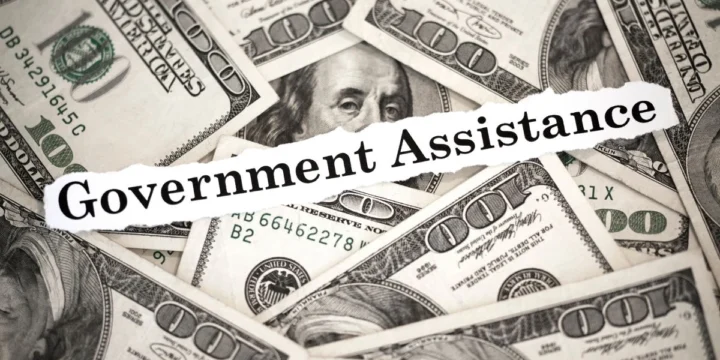
Government assistance programs play a critical role in supporting vulnerable populations — including low-income families, the unemployed, seniors, and people with disabilities. Despite the importance of these programs, there are widespread misconceptions that distort public perception and influence policy decisions. These myths range from beliefs that most recipients are lazy or fraudulent to beliefs that these programs don’t benefit working people or the economy. Understanding what is fact versus fiction helps individuals make informed decisions, reduces stigma, and fosters more effective public policy. What Are Government Assistance Programs? Government assistance programs are publicly funded initiatives designed to provide financial support or services to eligible individuals and families. These programs aim to: alleviating poverty, ensuring basic needs (such as food and medical care), supporting employment transitions, and promoting economic stability. Examples include: Temporary Assistance for…
Read More
How Do Workforce Training Programs Support Economic Stability?

How Do Workforce Training Programs Support Economic Stability?

Economy & Opportunity
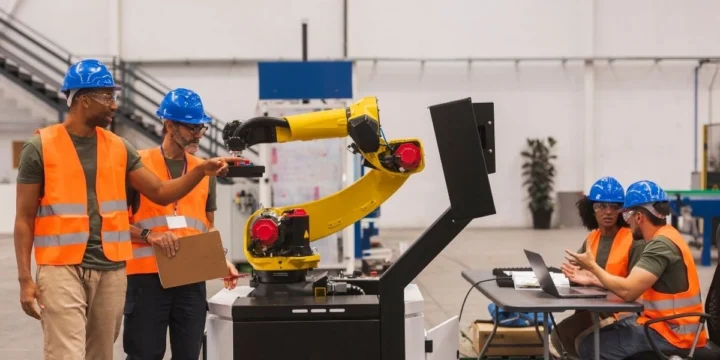
In a world of rapid technological advances, globalization, and shifting labor market demands, workforce training programs have become essential for maintaining economic stability. These strategic initiatives equip workers with the skills and competencies needed to thrive in current and emerging industries, reduce unemployment, promote innovation, and enhance productivity. Workforce training isn’t just about individual career growth—these programs influence the broader economy, support communities, attract investment, and strengthen global competitiveness. In this comprehensive article, we explore the latest facts, figures, and evidence showing how workforce training programs support economic stability today. What Are Workforce Training Programs? Workforce training programs are structured learning initiatives designed to improve the skills, knowledge, and employability of workers. They can take many forms: Pre-employment Training On-the-job Training Technical and Vocational Education Sector-specific and Industry-recognized Certifications Apprenticeships and Career Pathway…
Read More
What Are the Long-Term Benefits of Investing in Community Infrastructure?

What Are the Long-Term Benefits of Investing in Community Infrastructure?

Economy & Opportunity
Investing in community infrastructure is one of the most potent ways governments, organizations, and investors can build resilient, prosperous societies. From roads, bridges, and public transit to parks, libraries, water systems, and digital connectivity, community infrastructure forms the backbone of modern life. With economic uncertainty, climate challenges, and rapid urbanization, infrastructure investment is increasingly recognized as a critical driver of long-term economic stability, social cohesion, and improved quality of life. This comprehensive article examines the long-term benefits of investing in community infrastructure using latest data and analysis from around the world. We will explain economic, social, environmental, and governance outcomes, backed with facts, figures, and real-world examples. What is Community Infrastructure? Community infrastructure refers to the facilities and systems that support daily life in a community. It includes: Physical infrastructure: roads, bridges, railways, water and sanitation systems…
Read More
How Does Public Transportation Impact Employment Opportunities?

How Does Public Transportation Impact Employment Opportunities?

Economy & Opportunity
Public transportation plays an indispensable role in shaping modern economies and employment landscapes around the world. Beyond simply moving people from one place to another, public transit systems influence access to jobs, income equality, economic productivity, and urban development. Understanding this impact is essential for policymakers, urban planners, employers and workers alike, as investments in transit can unlock new opportunities and foster growth. In this in-depth article, we explore how public transportation affects employment opportunities — using the latest real-world data, empirical evidence and findings from global research on this topic. We explain the mechanisms through which transit enhances job access, creates and sustains employment, impacts wages, influences job markets in developing nations, and fosters inclusive workforce participation. How Public Transportation Connects Workers to Jobs 1. Accessibility and Job Opportunities One of the most critical…
Read More